

Hormones play a vital role in a woman’s overall health and well-being. These chemical messengers regulate everything from mood and metabolism to reproductive health, sleep, skin condition, and energy levels. When hormones become unbalanced, even slightly, women may experience a wide range of physical and emotional symptoms that affect their daily lives. Hormonal imbalance is increasingly common due to modern lifestyle habits, stress, poor diet, lack of sleep, environmental toxins, and underlying medical conditions. Understanding the symptoms, causes, and natural remedies can help women regain balance and improve their quality of life.
Table of Contents
ToggleWhat Is c Imbalance?

Hormonal imbalance occurs when there is too much or too little of a hormone in the bloodstream. Hormones such as estrogen, progesterone, insulin, cortisol, thyroid hormones, and testosterone must work together in harmony. Even small changes can create noticeable effects throughout the body.
Hormonal fluctuations naturally occur during puberty, menstruation, pregnancy, and menopause. However, persistent imbalance can lead to long-term health concerns if left untreated.
Common Symptoms of Hormonal Imbalance in Women
Hormonal imbalance affects every woman differently. Some may experience mild symptoms, while others face severe physical and emotional challenges.
1. Irregular Menstrual Cycles
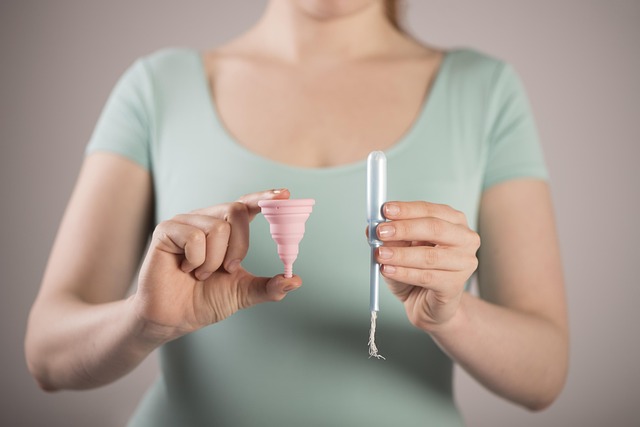
One of the most common signs is changes in menstruation. Women may experience:
- Missed periods
- Heavy bleeding
- Extremely light periods
- Painful cramps
- Short or prolonged cycles
Irregular cycles often indicate issues with estrogen, progesterone, or thyroid hormones.
2. Weight Gain or Difficulty Losing Weight
Hormones directly affect metabolism and fat storage. Imbalances in insulin, cortisol, and thyroid hormones can make it difficult to maintain a healthy weight. Many women notice stubborn belly fat despite dieting and exercise.
3. Fatigue and Low Energy
Persistent tiredness is another warning sign. Hormonal issues can disrupt sleep patterns, energy production, and stress response, leading to chronic exhaustion.
4. Mood Swings and Anxiety

Hormones strongly influence mental health. Sudden irritability, anxiety, depression, or mood swings may result from fluctuations in estrogen, progesterone, or cortisol levels.
5. Acne and Skin Problems
Adult acne, oily skin, and inflammation are often linked to androgen imbalances. Hormonal acne commonly appears around the jawline and chin.
6. Hair Loss or Excess Hair Growth
Hormonal disturbances can cause thinning hair, hair shedding, or excessive facial and body hair growth, especially in conditions such as PCOS.
7. Sleep Disorders
Women with hormonal imbalance may struggle with insomnia, night sweats, or poor sleep quality. Low progesterone and high cortisol are common contributors.
8. Low Libido
Reduced sexual desire can result from declining estrogen or testosterone levels. Hormonal imbalance may also cause vaginal dryness and discomfort.
9. Digestive Problems
Hormones affect digestion and gut health. Many women experience bloating, constipation, nausea, or food cravings when hormones fluctuate.
10. Headaches and Migraines
Hormonal headaches are common during menstruation, pregnancy, or menopause due to estrogen fluctuations.
Major Causes of Hormonal Imbalance

Several factors contribute to hormonal disruptions in women. Identifying the root cause is essential for effective treatment and prevention.
1. Chronic Stress

Stress is one of the biggest causes of hormonal imbalance. When the body is under stress, it releases cortisol, the stress hormone. Constantly elevated cortisol levels can interfere with reproductive hormones, sleep, metabolism, and immune function.
Common stress triggers include:
- Work pressure
- Financial problems
- Emotional trauma
- Lack of rest
- Overworking
2. Poor Diet and Nutritional Deficiencies
Highly processed foods, excess sugar, unhealthy fats, and nutrient deficiencies can disrupt hormone production. Diets lacking protein, healthy fats, vitamins, and minerals negatively impact endocrine health.
Excessive caffeine and alcohol consumption may also worsen hormonal symptoms.
3. Lack of Sleep
Sleep is essential for hormone regulation. Poor sleep affects cortisol, insulin, melatonin, and reproductive hormones. Women who sleep less than seven hours regularly are more likely to experience hormonal disturbances.
4. Polycystic Ovary Syndrome (PCOS)
PCOS is one of the most common hormonal disorders in women. It causes irregular periods, weight gain, acne, infertility, and excess androgen production.
5. Thyroid Disorders
The thyroid gland controls metabolism and energy. Conditions such as hypothyroidism or hyperthyroidism can create widespread hormonal issues.
Symptoms may include:
- Weight changes
- Fatigue
- Hair loss
- Mood swings
- Irregular periods
6. Menopause and Perimenopause
As women age, estrogen and progesterone levels decline naturally. This transition can lead to hot flashes, mood changes, sleep issues, and reduced bone density.
7. Excessive Exercise
While exercise is beneficial, overtraining can increase cortisol levels and suppress reproductive hormones, especially in women with low calorie intake.
8. Environmental Toxins
Exposure to chemicals found in plastics, cosmetics, pesticides, and household products may interfere with hormone function. These chemicals are known as endocrine disruptors.
Natural Remedies for Hormonal Balance
Many women can improve hormonal health naturally through lifestyle changes, nutrition, stress management, and holistic wellness practices.
1. Eat a Hormone-Friendly Diet
Nutrition is one of the most powerful tools for balancing hormones naturally.
Foods to Include:
- Leafy green vegetables
- Healthy fats like avocado and nuts
- Fatty fish rich in omega-3
- Whole grains
- Seeds such as flaxseed and pumpkin seeds
- Lean protein sources
- Fruits rich in antioxidants
Foods to Limit:
- Processed foods
- Sugary drinks
- Excess refined carbohydrates
- Artificial sweeteners
- Trans fats
Balanced meals help stabilize blood sugar and support hormone production.
2. Manage Stress Effectively
Reducing stress naturally lowers cortisol levels and improves overall hormonal balance.
Helpful stress-management techniques include:
- Meditation
- Deep breathing exercises
- Yoga
- Journaling
- Spending time in nature
- Listening to calming music
Creating a healthy work-life balance is equally important.
3. Improve Sleep Quality
Quality sleep allows the body to repair and regulate hormones effectively.
Healthy Sleep Habits:
- Sleep 7–9 hours nightly
- Avoid screens before bedtime
- Maintain a consistent sleep schedule
- Reduce caffeine intake in the evening
- Create a relaxing nighttime routine
4. Exercise Regularly
Moderate exercise supports insulin sensitivity, reduces stress, and boosts mood.
Best forms of exercise for hormone health include:
- Walking
- Strength training
- Yoga
- Pilates
- Swimming
- Cycling
Avoid excessive or extreme workout routines that may strain the body.
5. Maintain a Healthy Weight
Body fat influences estrogen production. Maintaining a balanced weight can improve insulin levels, reproductive hormones, and menstrual health.
6. Stay Hydrated
Water supports detoxification and healthy metabolic function. Proper hydration helps reduce bloating, fatigue, and headaches associated with hormonal imbalance.
7. Herbal and Natural Supplements
Certain herbs and supplements may support hormone balance naturally. Women should consult healthcare professionals before starting supplements.
Popular natural options include:
- Ashwagandha for stress reduction
- Maca root for energy and mood
- Evening primrose oil for PMS symptoms
- Magnesium for sleep and muscle relaxation
- Vitamin D for hormonal and immune health
8. Reduce Exposure to Toxins
Women can lower hormone-disrupting chemical exposure by:
- Using glass instead of plastic containers
- Choosing natural skincare products
- Avoiding harsh pesticides
- Eating organic foods when possible
When to See a Doctor

While lifestyle changes can significantly improve symptoms, some hormonal imbalances require medical evaluation and treatment.
Women should seek medical advice if they experience:
- Severe menstrual irregularities
- Infertility
- Sudden weight changes
- Persistent fatigue
- Severe depression or anxiety
- Excessive hair loss
- Chronic pain
Blood tests and hormone assessments can help identify the underlying issue.
Final Thoughts
Hormonal imbalance is a common yet manageable health concern affecting millions of women worldwide. From mood swings and fatigue to weight gain and skin problems, hormonal disruptions can impact nearly every aspect of life. Fortunately, understanding the symptoms and root causes empowers women to take control of their health naturally.
A balanced diet, proper sleep, stress management, regular exercise, and healthy lifestyle habits can significantly improve hormone health over time. By listening to their bodies and seeking professional guidance when necessary, women can restore balance, boost energy, and enjoy better physical and emotional well-being.
Also Read:-
Books every ambitious woman should read
Best yoga routines for working women
Women Entrepreneurs Redefining Business Leadership