

Understanding PCOS
Polycystic Ovary Syndrome, commonly known as PCOS, is one of the most common hormonal disorders affecting women worldwide. It impacts millions of women during their reproductive years and can influence hormones, metabolism, fertility, skin health, weight, and emotional well-being.
Despite being common, PCOS is often misunderstood. Many women experience symptoms for years before receiving a proper diagnosis. The condition can vary greatly from person to person, which is why treatment and lifestyle strategies must often be personalized.
PCOS is not just a reproductive health issue. It is also closely connected to insulin resistance, inflammation, and metabolic health. Understanding the symptoms, causes, and dietary approaches can help women manage the condition more effectively and improve overall quality of life.
Common Symptoms of PCOS

Image Credit:-Pexels
The symptoms of PCOS can appear differently in every woman. Some experience mild symptoms, while others struggle with severe hormonal imbalances.
1. Irregular Periods
One of the most common signs of PCOS is irregular menstrual cycles. Women may experience:
- Missed periods
- Very light periods
- Heavy bleeding
- Long gaps between cycles
- Unpredictable menstruation
This happens because ovulation may occur irregularly or not at all.
2. Weight Gain
Many women with PCOS find it difficult to lose weight, especially around the abdomen. Hormonal imbalances and insulin resistance can make fat storage more common.
Weight gain linked to PCOS often becomes frustrating because traditional dieting methods may not work as effectively.
3. Excess Hair Growth
High levels of androgens, often called male hormones, can cause excessive hair growth on areas such as:
- Face
- Chest
- Chin
- Back
- Abdomen
This condition is known as hirsutism.
4. Acne and Oily Skin
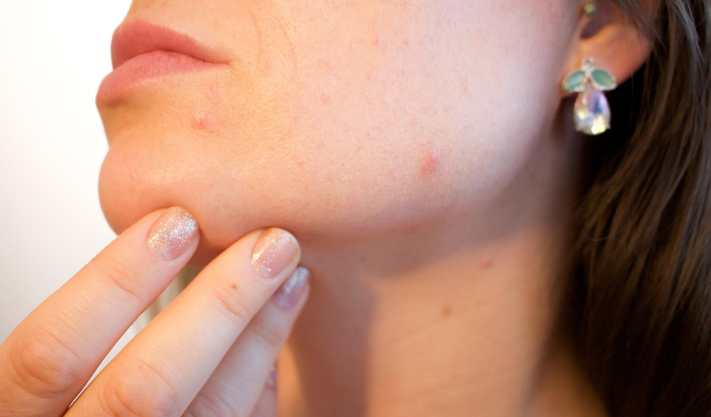
Image Credit:-Pixabay
Hormonal fluctuations can increase oil production in the skin, leading to:
- Persistent acne
- Painful breakouts
- Oily skin
- Skin inflammation
These symptoms may continue even during adulthood.
5. Hair Thinning

Image Credit:-Pexels
While excess hair appears in some areas, hair thinning may occur on the scalp. Many women notice reduced hair density or gradual hair loss.
6. Fertility Challenges
PCOS is one of the leading causes of infertility because irregular ovulation can make conception more difficult.
However, many women with PCOS can still become pregnant successfully with lifestyle improvements and medical support.
7. Fatigue and Mood Changes
Women with PCOS often report:
- Low energy levels
- Anxiety
- Mood swings
- Difficulty concentrating
- Depression symptoms
Hormonal imbalance and blood sugar instability may contribute to emotional and mental health challenges.
What Causes PCOS?
Image Credit:-Pexels
The exact cause of PCOS is still not completely understood, but researchers believe several factors contribute to the condition.
1. Insulin Resistance
Insulin resistance is considered one of the biggest drivers of PCOS.
Insulin is a hormone that helps regulate blood sugar levels. When the body becomes resistant to insulin, the pancreas produces more of it. High insulin levels may increase androgen production, worsening PCOS symptoms.
This can lead to:
- Weight gain
- Cravings
- Fatigue
- Increased inflammation
2. Hormonal Imbalance
Women with PCOS often have elevated androgen levels, which can interfere with normal ovulation and reproductive function.
Hormonal imbalance may also contribute to:
- Acne
- Hair growth
- Irregular cycles
- Fertility problems
3. Genetics
PCOS often runs in families. If close relatives have the condition, the risk may be higher.
Genetics may influence hormone regulation, metabolism, and insulin sensitivity.
4. Chronic Inflammation
Low-grade inflammation is common in women with PCOS. Inflammation may stimulate the ovaries to produce excess androgens.
Inflammation can also increase the risk of long-term health complications such as:
- Type 2 diabetes
- Heart disease
- High cholesterol
Why Diet Matters in PCOS

Image Credit:-Pexels
Diet plays a major role in managing PCOS symptoms because food directly affects:
- Hormones
- Blood sugar levels
- Inflammation
- Energy levels
- Weight management
There is no single “perfect” PCOS diet, but certain eating habits consistently help improve symptoms for many women.
The most effective diet plans focus on balancing blood sugar, reducing inflammation, and supporting hormone health.
The Diet Plan That Actually Works for PCOS
1. Focus on Low-Glycemic Foods
Low-glycemic foods help prevent rapid spikes in blood sugar and insulin levels.
Best Options Include:
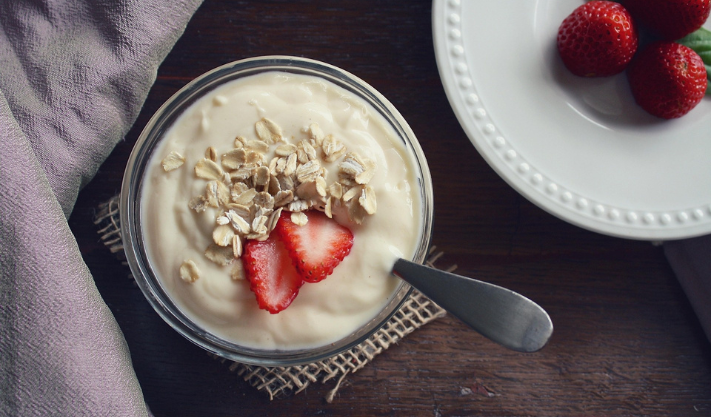
Image Credit:-Pixabay
- Oats
- Brown rice
- Quinoa
- Sweet potatoes
- Lentils
- Beans
- Whole grains
These foods provide steady energy and help reduce cravings.
2. Increase Protein Intake
Protein supports blood sugar balance and helps women feel full longer.

Image Credit:-Pexels
Healthy Protein Sources:
- Eggs
- Chicken
- Fish
- Greek yogurt
- Tofu
- Cottage cheese
- Nuts and seeds
Protein-rich meals may also reduce overeating and support muscle health.
3. Eat More Fiber
Fiber improves digestion and helps stabilize blood sugar.
High-Fiber Foods:
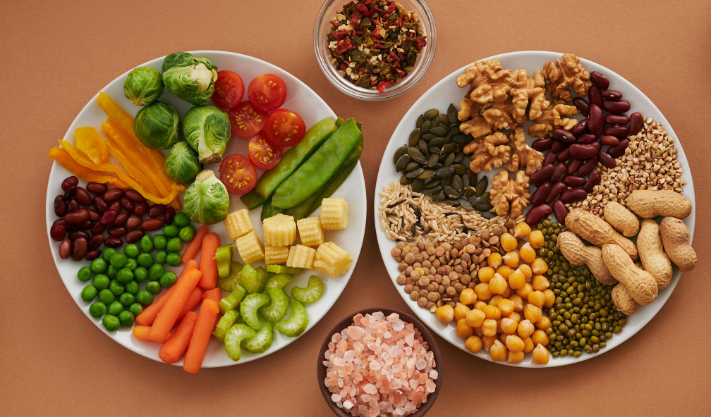
Image Credit:-Pexels
- Vegetables
- Fruits
- Chia seeds
- Flaxseeds
- Whole grains
- Legumes
Fiber may also support hormone detoxification and gut health.
4. Include Healthy Fats
Healthy fats can reduce inflammation and support hormone production.
Good Fat Sources:
- Avocados
- Olive oil
- Nuts
- Seeds
- Fatty fish
Avoiding unhealthy trans fats and heavily processed foods is equally important.
5. Reduce Processed Sugar
Excess sugar can worsen insulin resistance and inflammation.
Try limiting:
- Sugary drinks
- Packaged snacks
- Candy
- White bread
- Refined desserts
Replacing processed sugar with healthier options can improve energy and hormone balance over time.
6. Stay Consistent With Meals
Skipping meals may cause blood sugar instability.
Women with PCOS often benefit from:
- Balanced meals
- Regular eating times
- Portion awareness
- Protein-rich snacks
Consistency helps support stable hormones and energy levels.
Lifestyle Habits That Help PCOS
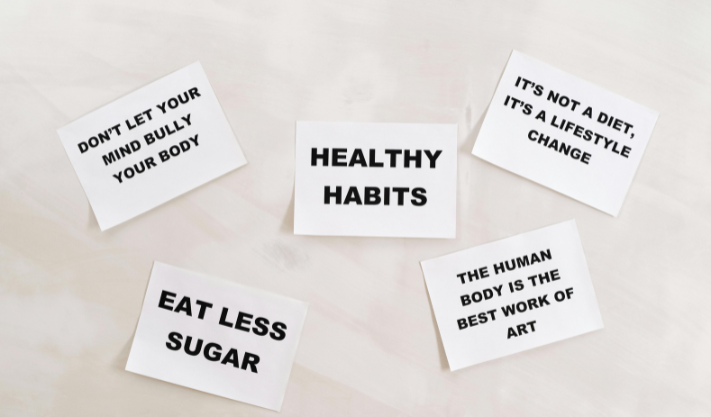
Image Credit:-Pexels
Diet works best when combined with healthy lifestyle habits.
Regular Exercise
Physical activity improves insulin sensitivity and supports hormone health.
Helpful exercises include:
- Walking
- Strength training
- Yoga
- Cycling
- Swimming
Even moderate exercise several times a week can make a difference.
Better Sleep

Image Credit:-Pexels
Poor sleep may worsen hormone imbalance and cravings.
Aim for:
- Consistent sleep schedules
- Reduced screen time before bed
- Quality nighttime rest
Stress Management
Stress hormones can affect insulin and reproductive hormones.
Stress-reducing activities include:
- Meditation
- Journaling
- Deep breathing
- Nature walks
- Relaxation exercises
Foods Women With PCOS May Want to Limit
Some foods may worsen symptoms for certain women.
These can include:
- Sugary beverages
- Fast food
- Highly processed snacks
- Refined carbohydrates
- Excess alcohol
- Fried foods
Reducing these foods may improve inflammation, energy, and hormone balance.