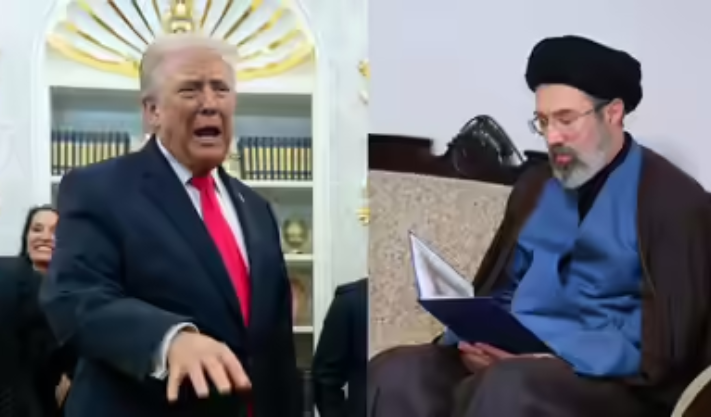
The question dominating global headlines right now is whether the conflict between the United States and Iran has truly come to an end. The announcement of a ceasefire has certainly eased immediate fears of escalation, but it does not signal the conclusion of the conflict. Instead, it represents a temporary pause in hostilities, offering both nations a brief window to step back, reassess, and potentially explore diplomatic solutions. Understanding the significance of this ceasefire requires a deeper look at its structure, conditions, and implications for the future.
First and foremost, a ceasefire is not the same as a peace agreement. It is a controlled halt in military activity, not a resolution of underlying disputes. In this case, the two-week ceasefire is designed to reduce immediate tensions rather than eliminate them. Both the United States and Iran continue to hold their strategic positions, and neither side has made any major concessions on core issues. This makes the agreement fragile by nature, as it depends entirely on both parties maintaining restraint during this limited period.
One of the central elements of the ceasefire is the reopening of the Strait of Hormuz. This narrow waterway is one of the most critical oil transit routes in the world, and its disruption has far-reaching consequences. During the recent escalation, concerns over restricted access to the strait caused oil prices to surge and created uncertainty in global markets. By agreeing to reopen it, Iran has taken a step that not only affects its relationship with the United States but also stabilizes global energy supply chains. This move has provided immediate relief to economies that rely heavily on uninterrupted oil shipments.
Economic pressure has played a major role in pushing both sides toward this agreement. Rising energy prices, disrupted trade routes, and market instability created a situation where continued conflict became increasingly costly. For the United States, maintaining global economic stability is a key priority, while Iran faces its own economic challenges due to sanctions and limited trade opportunities. The ceasefire, therefore, reflects not only political calculations but also economic necessity.
Another important aspect to consider is the limited timeframe of the ceasefire. Two weeks is a very short period in the context of international relations. It is not enough to resolve long-standing conflicts, but it can serve as a starting point for further negotiations. This narrow window places significant pressure on diplomatic efforts, as both sides must act quickly if they hope to extend the ceasefire or transform it into a more lasting agreement. The success or failure of this period will likely determine the next phase of the conflict.
Trust remains a major obstacle. The relationship between the United States and Iran has been marked by decades of tension, disagreements, and mutual suspicion. This history makes it difficult for either side to fully trust the other’s intentions. Even as the ceasefire holds, both nations are likely to remain cautious, closely monitoring each other for any signs of non-compliance. This lack of trust adds a layer of uncertainty to the agreement and increases the risk of misunderstandings that could lead to renewed tensions.
The broader regional context also cannot be ignored. The Middle East is a complex geopolitical environment with multiple actors, each with their own interests and alliances. While the ceasefire directly involves the United States and Iran, its effects extend across the region. Other countries and groups may influence the situation, either by supporting stability or by contributing to further tensions. This interconnected dynamic makes it more challenging to maintain a stable ceasefire.
With military actions temporarily paused, diplomacy now takes center stage. This is a critical moment for both nations to engage in meaningful dialogue and attempt to address the root causes of their conflict. Issues such as regional influence, security concerns, and political differences are deeply embedded and will require careful negotiation. The ceasefire provides an opportunity, but it does not guarantee progress. The outcome will depend on the willingness of both sides to engage constructively.
Global reactions to the ceasefire have been cautiously optimistic. Financial markets have responded positively, and international leaders have welcomed the de-escalation. However, this optimism is tempered by the understanding that the situation remains uncertain. The temporary nature of the agreement means that any progress achieved during this period could quickly be reversed if tensions rise again.
The risk of escalation still exists. Even during a ceasefire, the possibility of conflict remains. A single incident, whether accidental or intentional, could disrupt the fragile balance that has been established. This makes it essential for both sides to exercise restraint and maintain clear communication throughout the duration of the ceasefire.
Looking ahead, the future of the conflict will depend on what happens after these two weeks. If the ceasefire leads to productive negotiations, it could pave the way for a more stable and lasting agreement. If not, it may simply serve as a temporary pause before tensions rise again. The next steps taken by both the United States and Iran will be crucial in determining the direction of events.
In conclusion, the ceasefire between the United States and Iran does not mark the end of the conflict. It is a temporary measure designed to reduce immediate tensions and create space for diplomacy. While it offers a moment of relief and a chance for progress, the underlying issues remain unresolved. The coming weeks will be critical in determining whether this pause can evolve into something more meaningful or whether it will simply delay further confrontation.
Also Read:
Fearless Female Founders Driving Global Leadership
Women Entrepreneurs Creating Impactful Leadership
Bold Women Entrepreneurs Leading Fearless Futures