Introduction
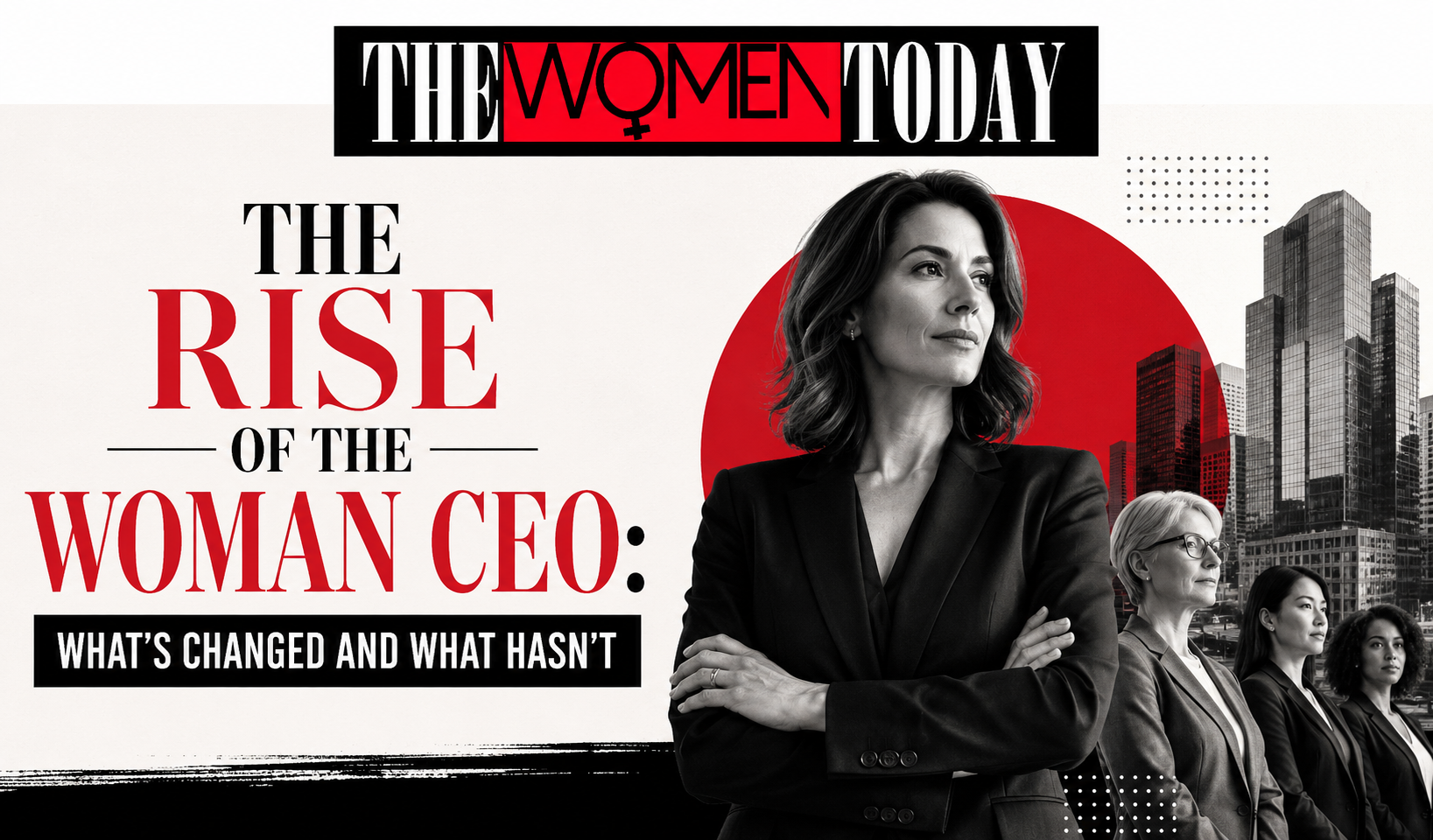
Over the last few decades, the image of a chief executive officer has changed dramatically. Once dominated almost entirely by men, boardrooms across the world are now witnessing the growing presence of women leaders who are redefining success, leadership, and corporate culture. The rise of the woman CEO is not simply a business trend; it reflects deeper social, economic, and cultural transformations taking place globally. Women are increasingly leading multinational corporations, innovative startups, financial institutions, technology firms, and media companies. Their achievements are inspiring a new generation of ambitious professionals while challenging long-standing stereotypes about leadership and power.
However, despite visible progress, the journey toward true equality in executive leadership remains incomplete. While more women are entering leadership roles than ever before, they still face significant barriers including unequal pay, limited access to influential networks, gender bias, and the pressure to balance personal and professional responsibilities. The rise of the woman CEO is therefore a story of both remarkable advancement and continuing struggle. Understanding what has changed—and what has not—is essential for creating a future where leadership opportunities are genuinely equal.
A New Era of Leadership
One of the biggest changes in recent years is the growing acceptance of women in positions of authority. In the past, leadership qualities such as assertiveness, ambition, and competitiveness were often associated primarily with men. Women who displayed these traits were sometimes criticized or viewed unfairly. Today, many organizations recognize that effective leadership can take many forms and that empathy, collaboration, emotional intelligence, and communication are equally valuable qualities.
Women CEOs are increasingly celebrated for bringing fresh perspectives to business strategy and workplace culture. Many have emphasized inclusive leadership styles that encourage teamwork, innovation, and employee well-being. Companies led by women often focus more strongly on diversity initiatives, flexible work environments, and long-term sustainability. This shift reflects a broader understanding that successful leadership is not about fitting into outdated stereotypes but about adapting to modern organizational needs.
The rise of women in entrepreneurship has also contributed to this transformation. Female founders are launching businesses in industries ranging from technology and healthcare to fashion and finance. Access to digital platforms and global markets has allowed women entrepreneurs to build influential brands and compete internationally. As more women succeed in business ownership and executive management, they create role models who inspire younger generations to aim higher and pursue leadership positions confidently.
The Impact of Education and Opportunity
Education has played a major role in the rise of the woman CEO. Across many countries, women now earn university degrees at rates equal to or higher than men. Business schools, leadership programs, and professional training opportunities have opened doors that were once difficult to access. Highly educated women are entering industries previously dominated by men, including engineering, technology, finance, and corporate management.
Corporate policies have also evolved. Many companies now actively invest in diversity and inclusion programs designed to increase female representation in leadership. Mentorship programs, leadership training, and networking initiatives are helping women build the skills and connections necessary for career advancement. Governments and organizations around the world are also promoting workplace equality through policies supporting parental leave, equal pay, and anti-discrimination measures.
The global conversation about gender equality has become louder and more influential as well. Social movements advocating women’s rights and workplace fairness have pushed companies to examine their leadership structures more critically. Investors and consumers increasingly expect businesses to demonstrate social responsibility, including gender diversity at senior levels. This cultural shift has created greater pressure for organizations to support women leaders and create fairer opportunities for advancement.
What Hasn’t Changed
Despite significant progress, many challenges remain deeply rooted in corporate culture and society. Women are still underrepresented in CEO positions globally, especially in large multinational corporations. Even when women reach executive levels, they often face closer scrutiny and higher expectations than their male counterparts. Mistakes made by women leaders are sometimes judged more harshly, creating additional pressure to constantly prove competence and authority.
The gender pay gap also continues to exist in many industries. Female executives frequently earn less than men in comparable roles, despite having similar qualifications and experience. Access to funding remains another major obstacle, particularly for women entrepreneurs. Female-led startups often receive significantly less investment than male-led businesses, limiting growth opportunities and business expansion.
Another persistent issue is the challenge of work-life balance. Women are still more likely than men to carry a larger share of caregiving and household responsibilities. Although workplaces have become more flexible in some areas, many women continue to face difficult choices between career advancement and family commitments. This imbalance can slow career progression and reduce opportunities for women to take on demanding leadership roles.
Bias and stereotypes also remain difficult to eliminate completely. Women leaders are sometimes expected to behave in ways that balance strength with likability, creating standards that are not equally applied to men. Networking opportunities, which are often essential for career growth, may still exclude women from influential circles where important decisions and relationships are formed.
The Importance of Representation
Representation matters deeply in leadership. When women occupy CEO positions, they help challenge outdated assumptions about who can lead successfully. Young professionals who see women in powerful roles are more likely to believe that such achievements are possible for them as well. This visibility encourages greater ambition and confidence among future generations of women leaders.
Female CEOs also bring attention to issues that may have previously been overlooked in corporate environments. Many advocate for better workplace policies related to maternity leave, mental health, equal opportunity, and employee wellness. Their presence can influence company culture in ways that benefit not only women but entire organizations.
Importantly, the rise of women leaders is not about replacing men or creating division. It is about expanding opportunities and ensuring that talent, creativity, and leadership potential are recognized regardless of gender. Businesses perform better when they include diverse perspectives, and leadership teams that reflect broader society are often better equipped to understand customer needs and global markets.
Conclusion
The rise of the woman CEO represents one of the most significant changes in the modern business world. Women have broken barriers, challenged stereotypes, and proven their ability to lead organizations successfully across every industry. Increased education, changing workplace cultures, and growing support for diversity have opened doors that were once firmly closed.
Yet the journey is far from complete. Gender inequality, workplace bias, unequal pay, and limited representation continue to affect women striving for leadership positions. Progress has been meaningful, but it has not erased the structural challenges that many women still face every day.
The future of leadership will depend on whether companies, governments, and society continue working toward genuine equality. As more women rise to CEO positions, they are not only transforming businesses but also reshaping the definition of leadership itself. Their success demonstrates that effective leadership is not determined by gender but by vision, resilience, intelligence, and the ability to inspire others.
Also Read:-
Inspiring Women Breaking Records Worldwide
Women’s Leadership Skills: A Step-by-Step Growth Guide
Build a Personal Brand That Opens Doors Fast