Table of Contents
ToggleThe Shift Away from Constant Productivity
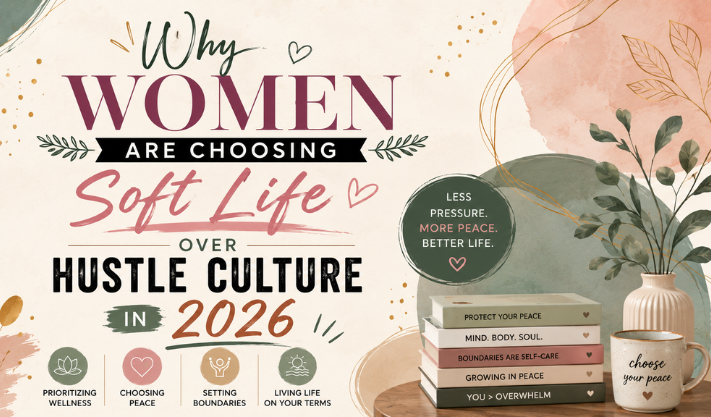
For years, hustle culture dominated conversations around success, especially for ambitious women striving to build careers, businesses, and personal brands. The message was clear: work harder, wake up earlier, sleep less, and keep pushing no matter the cost. Success became closely tied to busyness, and exhaustion was often worn like a badge of honor. However, in 2026, a significant cultural shift is taking place. More women are stepping away from the relentless pressure to achieve and embracing what has become known as the “soft life.” Rather than glorifying burnout, the soft life prioritizes peace, balance, well-being, and intentional living. Women are redefining success not by how much they can accomplish in a day but by how fulfilled and healthy they feel while pursuing their goals. This movement is not about laziness or abandoning ambition; it is about choosing a sustainable path that allows personal growth without sacrificing mental and physical health.
Understanding the Soft Life Movement
The concept of a soft life has gained momentum through social media, lifestyle blogs, and conversations around wellness. At its core, the soft life is about reducing unnecessary stress and creating a life centered on joy, comfort, and emotional well-being. Women embracing this lifestyle are focusing on working smarter rather than harder. They are setting boundaries, declining unrealistic expectations, and making decisions that support long-term happiness rather than short-term validation. Unlike hustle culture, which often celebrates overwork and constant availability, the soft life encourages women to prioritize rest, relationships, self-care, and meaningful experiences. It recognizes that success should enhance life rather than consume it. In 2026, this philosophy resonates strongly with women who have witnessed the negative consequences of chronic stress and are seeking healthier alternatives.
Burnout Has Become Impossible to Ignore
One of the biggest reasons women are moving away from hustle culture is the widespread experience of burnout. Years of balancing demanding careers, family responsibilities, social obligations, and personal aspirations have left many feeling physically and emotionally exhausted. The global conversations around mental health have helped normalize discussions about anxiety, stress, and emotional fatigue. Women are increasingly recognizing that relentless productivity often comes at a significant cost. Burnout affects concentration, creativity, motivation, and overall quality of life. Many women who once chased nonstop achievement have realized that no promotion, paycheck, or professional milestone is worth sacrificing their well-being. As awareness of burnout grows, the soft life offers a compelling alternative that values sustainability over constant pressure.
Mental Health Is Becoming a Top Priority
In 2026, mental health is no longer viewed as a secondary concern. Women are actively investing in practices that support emotional resilience and psychological well-being. Therapy, mindfulness, meditation, journaling, and wellness retreats have become more accessible and widely accepted. The soft life movement aligns closely with this growing focus on mental health because it encourages individuals to slow down and listen to their needs. Women are learning that productivity does not have to come at the expense of peace of mind. Instead of measuring self-worth through achievements alone, many are embracing a more holistic definition of success that includes happiness, emotional stability, and personal fulfillment. This shift reflects a deeper understanding that mental wellness is not a luxury but a necessity.
Redefining Success on Their Own Terms
Another driving force behind the soft life movement is the desire to redefine success. Traditional success narratives often emphasize financial achievement, career advancement, and social status. While these goals remain important for many women, they are no longer the sole indicators of a meaningful life. Women in 2026 are creating personalized definitions of success that reflect their values and priorities. For some, success means having flexible work hours that allow more time with family. For others, it means living in a peaceful environment, pursuing creative passions, or maintaining strong friendships. The soft life encourages women to reject societal expectations and build lives that genuinely align with their personal aspirations. This freedom to define success independently has become one of the movement’s most empowering aspects.
The Rise of Flexible Work and Digital Freedom
The evolution of work has also contributed significantly to the popularity of the soft life. Remote work, hybrid schedules, freelancing, and digital entrepreneurship have created opportunities for women to design lifestyles that support greater balance. Many no longer feel tied to rigid office structures or traditional career paths. Technology has made it possible to earn income while maintaining flexibility and autonomy. Women are leveraging these opportunities to create work environments that reduce stress and increase life satisfaction. Instead of spending hours commuting or working excessive overtime, many are prioritizing efficiency, productivity, and personal freedom. This shift has demonstrated that professional success can coexist with a balanced and fulfilling lifestyle.
Social Media Is Promoting a New Lifestyle Narrative
While social media once amplified hustle culture by celebrating constant grinding and endless productivity, the narrative is changing. In 2026, platforms are increasingly filled with content promoting slow living, wellness routines, self-care practices, and intentional lifestyles. Women are sharing experiences about setting boundaries, taking career breaks, prioritizing mental health, and embracing simplicity. These stories offer a refreshing alternative to the pressure-filled content that previously dominated online spaces. The visibility of women choosing a softer approach to life has inspired others to reconsider their own priorities. As a result, the soft life movement continues to gain momentum across different age groups and professional backgrounds.
Financial Wellness Without Constant Overworking
An important misconception about the soft life is that it requires wealth or privilege. In reality, many women are finding ways to achieve financial stability without embracing unhealthy work habits. Financial literacy, smart budgeting, passive income strategies, and intentional spending have become central components of the soft life philosophy. Rather than working endlessly to sustain an unsustainable lifestyle, women are focusing on creating financial security through thoughtful planning and mindful consumption. The emphasis is on making money work for them rather than allowing work to dominate every aspect of their lives. This approach helps reduce financial stress while supporting a more balanced lifestyle.
A Future Focused on Balance and Fulfillment
The growing popularity of the soft life reflects a broader cultural transformation. Women are no longer willing to accept burnout as the price of success. They are choosing lives that prioritize health, happiness, relationships, and personal fulfillment alongside professional achievement. The soft life movement is not about abandoning ambition; it is about pursuing goals in a way that supports long-term well-being. As more women embrace this mindset in 2026, the definition of success continues to evolve. The future belongs not to those who work the hardest at any cost, but to those who create lives that are both meaningful and sustainable. By choosing balance over burnout and peace over pressure, women are shaping a new vision of success that values quality of life as much as accomplishment.
Also Read:-
She Had Nothing But a Plan Comeback Stories Inspire
Budget Beauty Dupes for Luxury Skincare Results
AI, Aging & Women’s Health: How Smart Tech Leads Change