
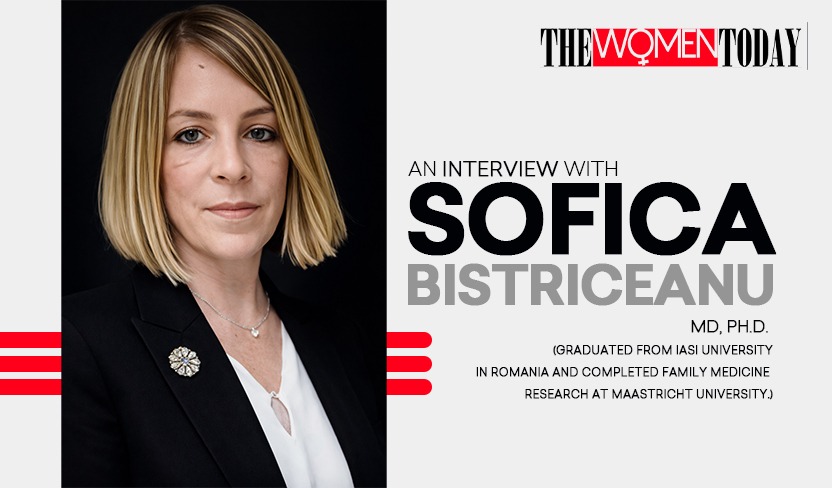
An Interview Sofica Bistriceanu
In this exclusive conversation, Sofica Bistriceanu shares her perspective on the deeper meaning of human transactions and how ethical behavior shapes relationships, emotional well-being, and social stability. Drawing on her article, “Dishonorable Transactions Derail the Relationship’s Trajectory,” she explains that every exchange between people extends beyond financial value and reflects trust, respect, and human character.
As societies become increasingly interconnected and digital interactions continue to grow, Sofica underscores the importance of honesty, fairness, and kindness in personal and professional relationships. Her reflections examine the psychological consequences of unethical behavior and the long-term value of compassion, generosity, and responsible collaboration.
About Sofica Bistriceanu
Sofica Bistriceanu, MD, PhD, is a medical professional, researcher, and academic affiliated with Academic Medical Unit CMI Dr. Bistriceanu in Romania. Through her work, she explores the intersection of human behavior, emotional health, and social interaction.
Her writings extend beyond traditional medical perspectives, examining how human relationships affect emotional and physical well-being. Through her observations, she emphasizes that trust, respect, and ethical exchanges are fundamental to a balanced society.
Her work reflects an important philosophy: human interactions shape not only relationships but also personal well-being and community development.
Understanding Transactions Beyond Economics
“A transaction is much more than the exchange of money for products, services, or ideas. People depend on one another because no individual can produce everything needed for life. Every exchange is an interaction that reflects values, intentions, and respect.
When a transaction is honorable, people feel valued and appreciated. Positive emotions arise, and stronger relationships form. These experiences encourage individuals to continue collaborating and build trust.
However, when dishonesty enters the process, the impact extends beyond material loss. Trust weakens, emotional discomfort arises, and relationships begin to decline. Transactions are therefore reflections of our humanity and of how we choose to interact with others.”
The Psychological Effects of Dishonorable Exchanges
“Human beings respond emotionally and physically to their experiences. Negative interactions involving deception, disrespect, or unfairness trigger emotional reactions that undermine overall well-being.
People may experience disappointment, stress, frustration, and emotional pain. Over time, repeated negative experiences can contribute to sleep disturbances, irregular blood pressure, changes in heart rate, and depressive thoughts.
Every person has a unique structure and level of vulnerability. Therefore, reactions vary from one individual to another. What remains important is understanding that dishonorable behavior can have effects extending far beyond a single moment or event.”
Reputation and Trust in Modern Communities
When individuals repeatedly experience respectful and honest interactions, confidence grows and relationships strengthen. In contrast, repeated dishonorable behavior erodes trust and can undermine professional stability, business growth, and social acceptance.
Building trust requires consistency. Honesty, fairness, and respectful communication foster sustainable relationships and promote long-term collaboration.
Generosity Beyond Transactions
“Honorable transactions are grounded in fairness and balance, where both parties receive value respectfully. Generosity goes beyond that structure.
Generosity often emerges in moments of hardship, when individuals need support, compassion, and understanding. People facing emotional, financial, or personal struggles often remember acts of kindness for a lifetime.
Support during difficult moments creates lasting emotional memories and meaningful human connections. Gratitude often returns in the form of appreciation, loyalty, positive recognition, and future support.
A sincere expression of gratitude from someone who was helped during a difficult period is one of the most meaningful outcomes of human interaction.”
Learning, Reflection, and Human Growth
“I would encourage readers to recognize that mistakes and failures are part of human life. People continually evolve and learn from experience.
Protecting emotional balance by choosing trustworthy collaborators is important, but individuals should also remember that growth is still possible. Reflection helps people recognize mistakes and improve future behavior.
Every action reflects who we are in a given moment, not necessarily who we will be forever.
Life offers opportunities to rise again. Every challenge and failure contributes to wisdom, personal growth, and a deeper understanding of ourselves and others.”
Conclusion
Sofica Bistriceanu offers an insightful perspective on the relationship among ethics, emotional health, and human interaction. Through her work, she emphasizes that transactions are not merely economic activities but reflections of trust, respect, and social responsibility.
Her ideas show that dishonorable exchanges affect not only financial outcomes but also emotional well-being, reputation, and long-term relationships. At the same time, her message offers optimism by emphasizing the importance of generosity, personal growth, and learning from mistakes.
As society becomes increasingly interconnected, her perspective encourages individuals to build relationships grounded in honesty, fairness, and compassion, fostering stronger communities and healthier human connections.
Also Read:-
IXI CX Agency improves business performance – Helen Risovets
Inside the Mind: Kimberly Golld Beauty & Lingerie Journey!
Eng. Muna Nijem: Telecom Leader & Parkinson’s Advocate